Viking footwear was not one single boot style. Archaeological finds show leather shoes in different shapes and fastening systems, and museum reconstructions help us understand how everyday footwear could vary by place and period.
If you are shopping modern historical-inspired footwear, browse our Viking-style leather shoes and Viking-inspired boots while keeping the difference between archaeology and modern costume use in mind.
Archaeological leather survives at Viking sites
The Coppergate excavations in York preserved organic material that would normally decay, including leather shoes. JORVIK's collections and reconstructions use those finds to help explain everyday Viking-age life.
Viking footwear included more than one style
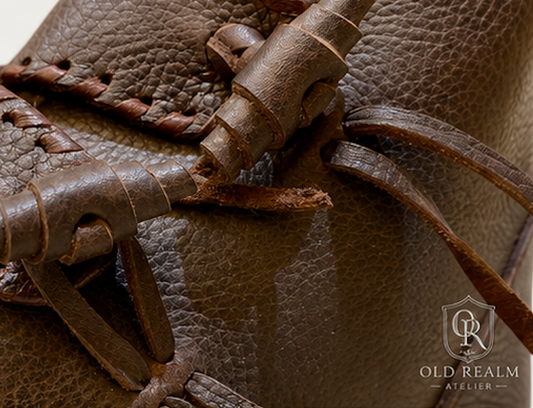
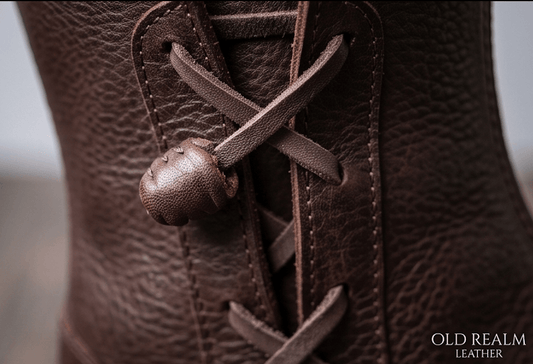
JORVIK describes leatherworkers making simple slip-on shoes, boots, and footwear fastened with leather straps, laces, or toggles. That variety is important: there was no single universal Viking shoe worn by every person across the Norse world.
Leather was an everyday craft material
Archaeological evidence from Coppergate includes leather offcuts and leatherworking tools, showing that shoe making and repair were active crafts in Viking-age York.
Were all Viking shoes tall boots?
No. Low and ankle-height footwear is well represented in historical discussion and surviving finds. The tall “Viking boot” commonly seen in fantasy media is often a modern interpretation rather than a direct copy of one archaeological shoe.
How were Viking shoes fastened?
Fastening methods varied. Archaeological interpretation includes laces, straps, toggles, slip-on forms, and different patterns of leather construction.
What colors did Vikings wear?
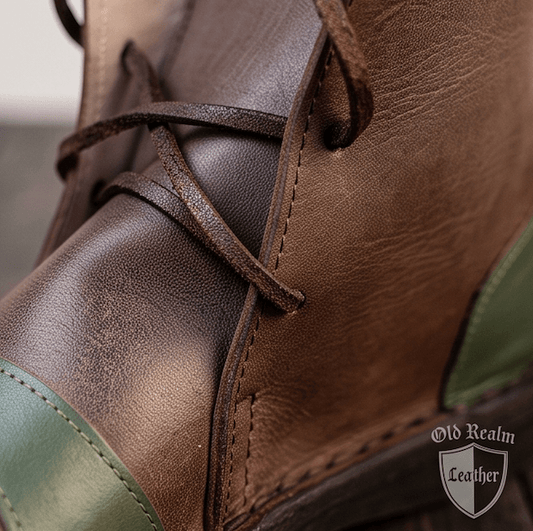
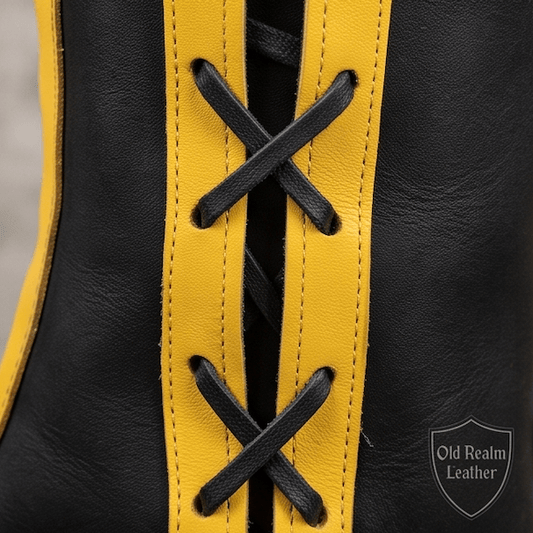
Clothing in the Viking world was not limited to brown and gray. Archaeological and textile research shows dyed garments existed. Leather footwear itself would also vary depending on tanning, use, treatment, and age, so avoid assuming every Viking shoe must look identical.
What should a reenactor buy?
Start with the requirements of your specific group. A strict living-history organization may expect a documented construction style, while a Viking-themed Faire or fantasy LARP may accept broader historical inspiration.
Modern practicality versus reconstruction
Modern footwear may use different sole solutions, sizing systems, or reinforcement for today's event conditions. Be clear about your goal: archaeological reproduction, historical-inspired reenactment, or costume styling.
Low shoes for a Norse silhouette
Our Medieval Shoes for Viking & Renaissance Wear offer a lower profile for historical-inspired outfits and leg wraps.
Taller Viking-inspired boots
For LARP and costume use, compare our Handmade Viking Leather Boots.
Learn before choosing
Next, read our Viking turnshoe guide and Viking shoes vs boots comparison to narrow your direction.