Historical reenactment footwear should start with research, not with the product title. “Medieval shoes” can describe hundreds of years of changing fashion and construction, so the right pair depends on the date, place, social role, and authenticity standards of your group.
Browse our medieval leather shoes while using the checklist below to decide whether a historical-inspired pair matches your event.
Start with a specific century
A shoe suitable for a Viking-age or early-medieval portrayal may not suit a late-medieval one. Narrowing the date immediately improves your research.
Choose a region
Footwear evidence differs across Europe. Archaeological finds from York, London, Scandinavia, and continental sites do not all represent one universal medieval shoe.
Ask your reenactment group first
Some organizations permit modern hidden adaptations, while others require documented stitching, sole construction, leather type, and fastening. Group rules should guide the purchase before aesthetics.
Understand turnshoe construction
Turnshoe construction was widely used through much of the medieval period. Read our beginner's guide to medieval turnshoes to understand what the term means.
Look at fastening style
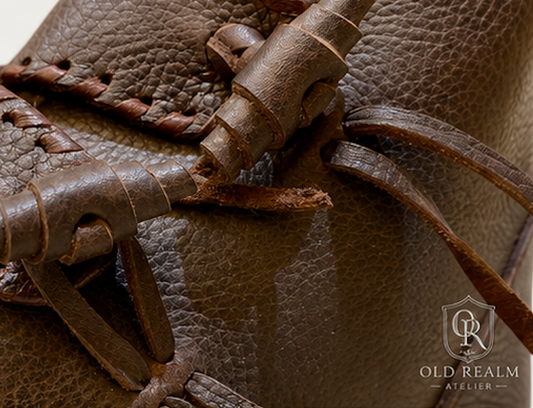
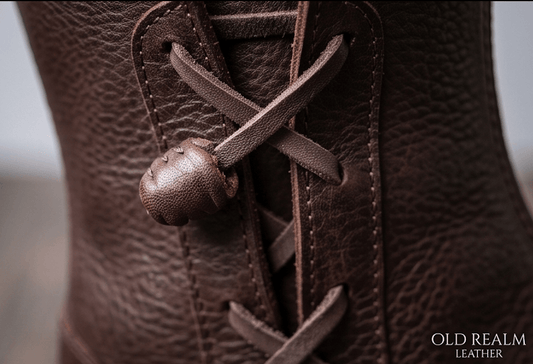
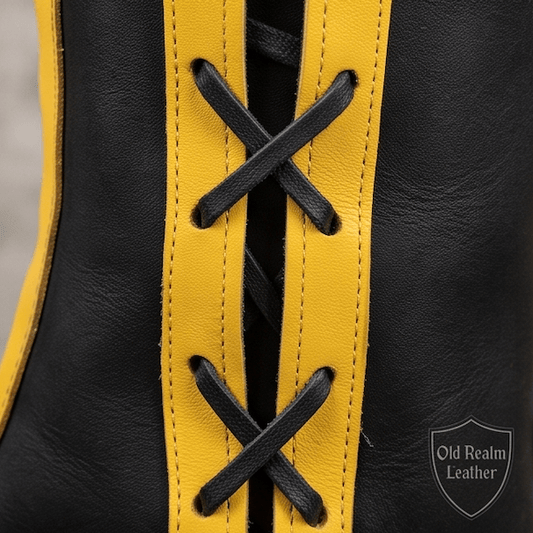
Historical shoes could use laces, straps, toggles, buckles, or slip-on constructions depending on time and place. Match the fastening to your portrayal rather than assuming one style is universally medieval.
Think about the sole
A strict reproduction may use a leather sole closer to archaeological examples, while modern event footwear may use a more practical outer sole. Know what your group permits and what terrain you will encounter.
Fit matters during long events
Even historically inspired footwear should not crush the toes or create dangerous instability. Measure both feet and test the shoes before a full weekend.
Modern adaptations should be described honestly
A product can be excellent for reenactment-inspired wear without being an exact archaeological replica. Distinguish between historical silhouette, historical construction, and modern practical modification.
What about Viking reenactment?
For an earlier Norse context, read our Viking reenactment footwear checklist.
What about Renaissance Faires?
Renaissance Faires generally allow much more creative freedom than strict living history. If your priority is comfort and costume appearance, a historical-inspired shoe may be completely appropriate even without museum-level construction.
Old Realm Leather options
See Medieval Shoes for Viking & Renaissance Wear and Medieval Shoes for Historical Reenactment. For the broadest selection, browse Handmade Heritage Leather Footwear.