Medieval Boots Guide: How to Choose Leather Boots for LARP, Renaissance Fairs & Reenactment
Choosing the right medieval boots is about more than matching a costume. Fit, leather quality, boot height, closure, sole construction and the type of event all affect how your footwear looks and feels after hours of walking. This guide explains what to compare before you buy, with practical advice for LARP, Renaissance fairs, Viking-inspired outfits, SCA events and historical reenactment.

If you already know the style you want, browse our medieval leather boots collection. If you are still comparing styles, use the sections below to narrow down the best option for your outfit, event and feet.
What Are Medieval Boots?
The phrase medieval boots covers a wide range of modern footwear inspired by historical European and Norse styles. Some pairs are designed mainly for costume use, while others are made from real leather for people who expect to spend a full day walking, standing and moving at events.
Today, shoppers commonly look for medieval-style footwear for Renaissance fairs, LARP, SCA gatherings, Viking-inspired clothing, historical reenactment, cosplay, theater, fantasy weddings and film costumes. Because those uses are different, there is no single boot that is automatically right for every person.
Start by deciding how you will use the footwear. A weekend LARP on uneven ground puts different demands on a boot than an indoor cosplay event, and a carefully researched reenactment impression may require different visual details than a fantasy character.
Choose Medieval Boots for Your Event
LARP
For LARP, look for a balance between character styling and practical movement. The boot should feel secure around the ankle and foot, and the sole should make sense for the terrain where you play. Mid-calf and tall boots work naturally with ranger, warrior, rogue, mercenary and adventurer outfits.
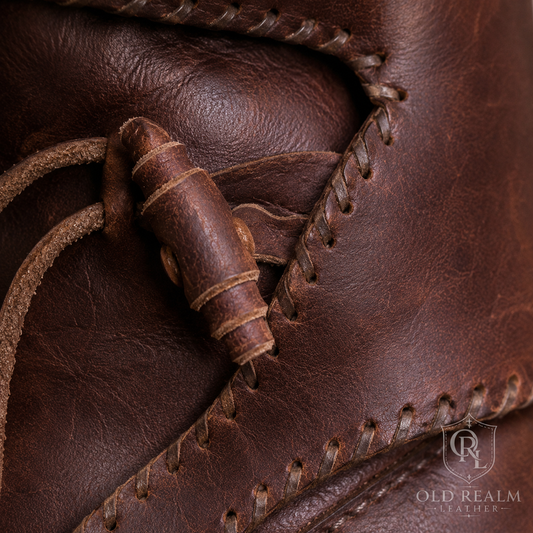
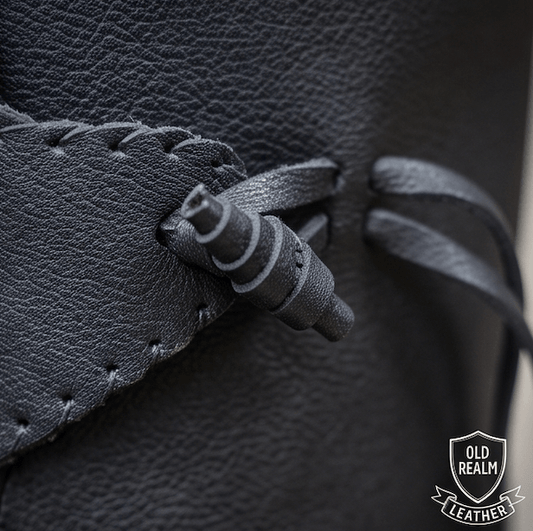
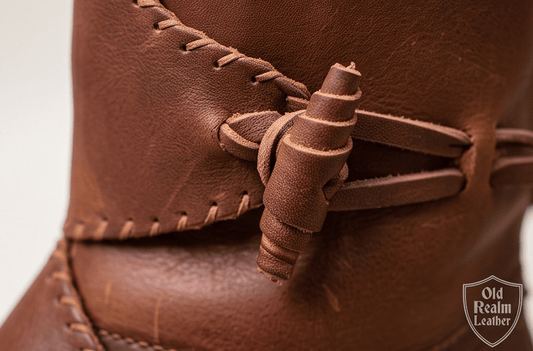
Check the product photographs closely. A secure lace or toggle system can help you adjust the shaft and ankle, while a flexible leather upper becomes more comfortable as it is worn. Our Handmade Medieval Leather Boots for LARP & Renaissance Fairs use full-grain cowhide with a toggle-and-lace closure and are available in sizes 6–16.
Renaissance Fairs
Renaissance fairs usually involve long periods of standing and walking. That makes sizing and break-in time especially important. Brown, dark brown and black leather are versatile because they work with tunics, cloaks, linen trousers, armor and many fantasy-inspired outfits.
If your main goal is a festival or Ren Faire look, you can also compare our dedicated Renaissance Faire leather boots with the broader boot collection.
Viking-Inspired Outfits
For Viking and Norse-inspired styling, both taller boots and low-profile shoes can work. Tall leather boots create a stronger visual silhouette and pair well with trousers and leg wraps, while lower shoes leave more of the lower leg visible.
If you want a taller Norse-inspired option, see our handmade Viking leather boots. For a lighter profile, compare them with the medieval leather shoes collection.
Historical Reenactment and SCA
Historical footwear varied by century, region, occupation and social context. If strict historical accuracy is important to your impression, research the specific period you are portraying and compare those requirements with the product details before ordering.
For broader historical-inspired, SCA and event use, focus on the overall silhouette, leather, closure and fit. A boot can look convincing within an outfit while still using a practical modern sole for contemporary event conditions.
Why Leather and Construction Matter
Leather changes both the appearance and the long-term feel of historical-inspired footwear. Genuine leather develops creases and tonal variation with wear, and a good leather upper gradually softens around the shape of the foot.
The material alone is not enough. When comparing medieval leather boots, check the leather type, stitching, closure design, sole material, interior finishing and product photographs. Avoid assuming that two boots with a similar silhouette are constructed the same way.
For a closer look at how we approach materials and hand finishing, visit our craftsmanship page.
Mid-Calf, Tall and Pointed Medieval Boots
Boot height changes the entire silhouette of an outfit, so think about the clothing around the footwear rather than choosing the boot in isolation.
Mid-Calf Boots
Mid-calf boots are one of the most versatile choices. They work naturally with tunics, trousers, cloaks, ranger outfits, LARP armor and Viking-inspired clothing. They also leave enough room for leg wraps or other costume details above the boot.
Tall Boots
Taller boots create a more dramatic look and can suit knights, nobles, pirates, fantasy warriors and cavalry-inspired costumes. Because the shaft extends farther up the leg, calf fit matters more than it does with a lower boot.
Pointed or Poulaine-Inspired Boots
Pointed medieval footwear creates a distinctive late-medieval-inspired silhouette. It makes a strong visual statement, so it works best when the rest of the outfit supports that look. For buyers who prefer this style, our collection also includes medieval poulaine boots.
Laces, Toggles and Other Closures
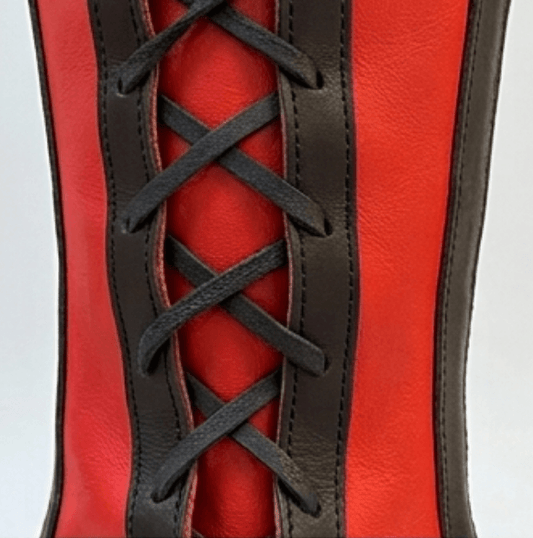
The closure is both functional and visual. Historical-inspired boots may use leather laces, wraparound ties, toggles, buckles or pull-on construction.
For active event use, look at how the closure controls the fit around the ankle and shaft. A boot that can be adjusted securely may feel more stable when walking on uneven surfaces. The closure should also match the character of the outfit: wrap laces feel rugged and practical, while buckles or more structured closures can create a different period or fantasy impression.
How Medieval Boots Should Fit
Fit is one of the most important parts of buying medieval boots online. Do not rely only on the size printed inside an old pair of shoes. Two people who usually buy the same US size can still have very different foot widths and shapes.
Before ordering, measure both feet while standing:
- Place your heel against a wall on a sheet of paper.
- Measure from the heel to the end of the longest toe.
- Measure across the widest part of the foot.
- Repeat for the other foot.
- Use the larger measurement if one foot is slightly bigger.
For thick event socks, measure and plan with the type of socks you actually expect to wear. If you are between sizes, very wide, or have had trouble with boot sizing before, ask for help rather than guessing.
You can send your measurements through our sizing and custom-order page before production begins.
What If You Have Wide Feet?
Width matters as much as length. Going up several full sizes just to gain width can leave too much empty space in front of the toes and still may not solve the problem at the widest part of the foot.
When asking us about a wide fit, send your usual shoe size, heel-to-toe length, widest-foot measurement and the exact boot style you want. That information is much more useful than size alone.
Selected boot styles can be made with additional width. Because this depends on the design, contact us before ordering if you need a wider or custom fit.
Break In Leather Boots Before Your Event
New leather footwear can feel different from a pair that has already been worn for months. Rather than making a full Renaissance-fair day or LARP weekend the first time you wear your boots, break them in gradually.
Start indoors, then wear them for shorter periods. Pay attention to heel movement, toe room, pressure points, sock thickness and how the closure sits around the ankle. Gradual wear allows the leather to soften naturally and gives you time to make small adjustments before an important event.
If you have a fixed wedding, faire or reenactment date, order early enough to allow for production, shipping and break-in time.
Consider the Sole and the Terrain
Event surfaces vary. A Renaissance fair may include dirt, grass, gravel and wooden walkways. A LARP may involve forest trails and uneven ground. A convention may mean smooth indoor flooring.
That is why there is no universal sole that is automatically best for every buyer. Read the specific product details and think about the surfaces you will actually walk on. A practical modern sole can offer useful grip while the upper maintains a historical-inspired appearance.
Medieval Boots vs Medieval Shoes
Many buyers start by searching for medieval boots when a lower shoe may actually suit their outfit better. The choice comes down to coverage, silhouette, mobility and the clothing around the ankle.
| Feature | Medieval Boots | Medieval Shoes |
|---|---|---|
| Coverage | More ankle and lower-leg coverage | Low-profile around the ankle |
| Visual effect | Stronger warrior, ranger or adventurer silhouette | Subtler historical-inspired look |
| Leg wraps / stockings | May cover part of them | Leaves more of them visible |
| Best for | LARP, Ren Faire, fantasy, Viking-inspired and dramatic outfits | Renaissance, Viking-inspired, SCA and lighter outfits |
Compare our medieval boots and medieval leather shoes side by side before deciding.
Choosing a Medieval Boot Color
Brown is one of the easiest colors to integrate into a historical or fantasy outfit because it works naturally with linen, wool, leather accessories and earth-toned clothing. Dark brown creates a richer, more weathered look, while black works well with darker armor, noble characters, gothic outfits and dramatic cosplay.
Choose the color as part of the complete outfit. A boot that looks striking on its own may compete with the rest of the costume, while a simpler tone can help the clothing and accessories work together.
How to Care for Medieval Leather Boots
Basic maintenance helps leather footwear keep its shape and appearance. After an event, remove loose dirt with a soft brush or cloth. If the boots become damp, let them dry naturally at room temperature and avoid direct heaters or hair dryers.
If the leather feels dry, use a conditioner suitable for the specific leather and test it on a small, discreet area first. Store the boots only when they are clean and completely dry.
For a more detailed routine, read our leather footwear care guide.
Medieval Boots Buying Checklist
- Event: LARP, Renaissance fair, SCA, reenactment, cosplay or wedding?
- Walking time: a short appearance or an all-day event?
- Height: low, mid-calf or tall?
- Closure: laces, wraps, toggles, buckles or pull-on?
- Material: have you checked the exact leather and construction?
- Measurements: did you measure both feet while standing?
- Width: do you need extra width or custom sizing?
- Terrain: what surfaces will you walk on?
- Deadline: have you allowed time for production, shipping and break-in?
Where to Start at Old Realm Leather
If you want a versatile starting point, our Handmade Medieval Leather Boots for LARP & Renaissance Fairs combine a mid-calf shape, full-grain cowhide and a toggle-and-lace closure. They are offered in US sizes 6–16, with fit help available before production.
For more designs, browse all Medieval Leather Boots. If you prefer a lower silhouette, browse Medieval Leather Shoes.
Frequently Asked Questions About Medieval Boots
Are medieval boots suitable for Renaissance fairs?
Yes. Medieval-style leather boots pair naturally with tunics, cloaks, trousers and many Renaissance-fair outfits. For long event days, prioritize fit, break-in time and a sole suited to the surfaces you expect to walk on.
Can I wear medieval boots for LARP?
Yes. Mid-calf and tall leather boots work well with many LARP characters, including rangers, warriors, rogues and adventurers. Check ankle security, terrain and sizing as well as appearance.
Should leather medieval boots feel very tight when new?
Leather can soften with wear, but a new boot should not depend on painful tightness to become usable. Check toe room and heel movement and ask for sizing help if you are unsure.
Should I size up for thick socks?
Sock thickness can affect fit. Measure with the type of socks you plan to wear and contact us if you are between sizes rather than automatically going up several sizes.
Are medieval boots better than medieval shoes?
Neither is universally better. Boots provide more coverage and a stronger silhouette, while shoes leave the ankle and lower leg more open. Choose according to the outfit and event.
How long do Old Realm Leather boots take to make?
Our made-to-order medieval leather boots are generally produced in approximately 7–10 days. Express delivery is usually 3–5 business days after dispatch. If you have a fixed event date, contact us before ordering.
Ready to Find Your Medieval Boots?
Compare the full boot collection, or send us your measurements if you want help choosing the right size or need extra width.